
Steel pipes play an important role in modern construction, manufacturing, and infrastructure. Among the different types available, ERW steel pipes have become a popular choice because they offer strength, precision, and cost-effectiveness. Whether it is a commercial building, an industrial plant, or a water supply project, these pipes provide dependable performance for a wide range of applications.
What Are ERW Steel Pipes?
ERW stands for Electric Resistance Welded. These pipes are made by rolling a flat steel strip into a cylindrical shape and joining the edges using electrical resistance. Unlike traditional welding methods, no additional filler material is required. The result is a smooth, strong weld that delivers consistent quality throughout the pipe.
The manufacturing process allows producers to create pipes with accurate dimensions and a clean finish, making them suitable for both structural and industrial uses.
How Are ERW Steel Pipes Manufactured?
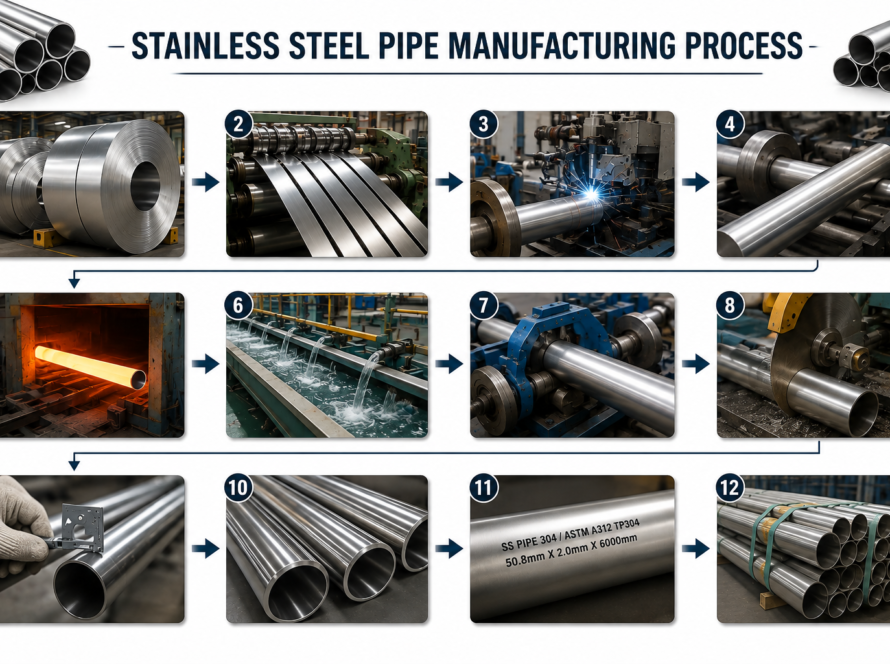
The production process begins with high-quality steel coils. The coils are carefully formed into a tube shape before the edges are heated through electric resistance and welded together. After welding, the pipes undergo finishing, sizing, straightening, and quality inspections to ensure they meet industry standards.
Many companies involved in Steel Pipe Manufacturing use advanced technology to improve accuracy, durability, and production efficiency.
Common Applications of ERW Steel Pipes
ERW steel pipes are widely used across many industries because they combine durability with affordability. Some of the most common applications include:
- Water supply and drainage systems
- Oil and gas transportation
- Construction and structural frameworks
- Agricultural irrigation
- Mechanical engineering projects
- Automotive components
- Fencing and scaffolding
Their versatility makes them a practical solution for projects of all sizes.
Benefits of ERW Steel Pipes
There are several reasons why businesses and contractors prefer ERW steel pipes.
High Strength
These pipes are designed to handle pressure and perform reliably under demanding working conditions.
Cost-Effective
The manufacturing process is efficient, making ERW pipes more economical than many other pipe options without sacrificing quality.
Smooth Surface Finish
A clean surface improves appearance and makes installation easier while reducing the chances of corrosion when properly protected.
Accurate Dimensions
ERW pipes are produced with consistent wall thickness and precise sizing, ensuring a better fit in industrial and construction projects.
Easy Availability
They are available in different sizes, thicknesses, and specifications, making it easy to find the right product for almost any application.
ERW Pipes vs. Seamless Pipes
Both ERW and seamless pipes have their own advantages. ERW pipes are often selected for general engineering, structural work, and fluid transportation because they offer an excellent balance of quality and value. On the other hand, industries requiring extremely high pressure or temperature resistance may choose products made through Seamless Pipe Manufacturing.
The right choice depends on the project’s technical requirements, operating conditions, and budget.
The Growing Demand for Quality Steel Tubes
As industries continue to expand, the demand for reliable steel products is increasing. Manufacturers are investing in better production techniques and quality control to meet international standards. Companies involved in Stainless Steel Tube Manufacturing are also introducing advanced solutions for industries that require excellent corrosion resistance and long service life.
Conclusion
ERW steel pipes have become an essential part of today’s industrial and construction sectors. Their strength, affordability, and consistent quality make them suitable for a wide variety of applications, from infrastructure projects to manufacturing facilities. By choosing high-quality ERW pipes from trusted manufacturers, businesses can achieve reliable performance, lower maintenance costs, and long-term value for their projects.